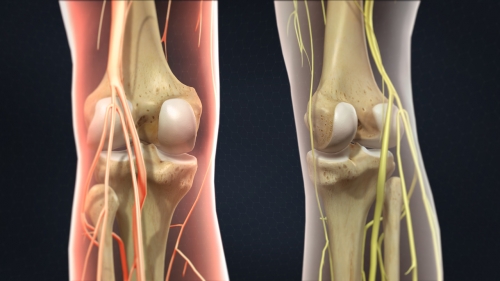
Knee pain can severely limit daily activities and affect overall quality of life. Osteoarthritis, joint injuries, or chronic wear often make walking, climbing stairs, and standing uncomfortable. Early assessment by an experienced orthopaedic specialist ensures effective relief and long-term joint health.
For individuals with persistent knee problems, knee replacement surgery provides a reliable solution. This procedure replaces damaged joint surfaces with prosthetic components, restoring alignment, stability, and mobility. Careful preoperative planning enhances outcomes and reduces recovery time.
What is Knee Replacement Surgery?
Knee replacement surgery, also known as knee arthroplasty, involves removing damaged cartilage and bone, then replacing them with artificial implants. The primary goal is to reduce pain, restore function, and improve the patient’s lifestyle.
Types of Knee Replacement
Knee replacement can be classified into two main types:
- Total Knee Replacement (TKR): This procedure replaces the entire knee joint, including femoral, tibial, and sometimes patellar surfaces. TKR is recommended for patients with severe arthritis or extensive joint damage.
- Partial Knee Replacement (PKR): Only the affected portion of the knee is replaced, preserving healthy tissue. PKR is suitable for patients with localized damage and retains more natural joint function.
Who Should Consider Surgery
Ideal candidates have severe pain, restricted motion, and visible joint deformity. Conservative treatments, including medication, physiotherapy, or injections, are often attempted first. Selecting the right candidate ensures effective results and long-term joint stability.
Benefits of Knee Replacement Surgery
Knee replacement surgery provides multiple benefits beyond pain relief. Patients often regain independence, improve mobility, and enhance overall quality of life.
Pain Reduction and Improved Function
Chronic knee pain can disrupt daily routines and limit physical activity. Post-surgery, most patients report significant relief and improved ability to perform daily tasks. Restored joint function allows walking, climbing stairs, and standing for extended periods.
Enhanced Mobility
By restoring knee function, patients can resume hobbies, social activities, and light exercise. Improved mobility contributes to overall health, including cardiovascular fitness and mental well-being.
Long-Term Joint Health
Modern implants are designed for durability, lasting 15–20 years or more. When combined with proper rehabilitation and lifestyle management, patients can maintain joint health for decades.
The Knee Replacement Procedure
A successful knee replacement relies on preoperative assessment, precise surgical technique, and structured postoperative care.
Preoperative Assessment
Patients undergo detailed evaluation, including medical history, physical examination, and imaging such as X-rays or MRI. Specialists discuss procedure details, expected outcomes, and post-surgery rehabilitation plans.
Surgical Steps
During surgery, damaged joint surfaces are removed and replaced with custom-fit prosthetic components. Alignment, stability, and range of motion are carefully assessed. Minimally invasive techniques may be used for suitable patients to reduce tissue trauma.
Postoperative Care
Patients are monitored for complications, pain, and early mobility. Rehabilitation begins shortly after surgery to restore strength, flexibility, and function. Follow-ups ensure proper healing and adjust the recovery plan as needed.
Rehabilitation and Recovery
Postoperative rehabilitation is crucial to regain strength, flexibility, and optimal knee function. A structured program improves recovery speed and ensures long-term success.
Physiotherapy Programs
Specialists design individualized physiotherapy plans targeting joint mobility, muscle strength, and balance. Exercises include gentle stretches, low-impact movements, and gradually increased weight-bearing activities.
Recovery Timeline
Recovery typically follows these stages:
- Weeks 1–2: Pain management, gentle movement, and limited weight-bearing.
- Weeks 3–6: Increase activity levels, regain range of motion, and begin strengthening exercises.
- Weeks 6–12: Resume daily activities with improved mobility and strength.
- Months 3–6: Full recovery with the ability to perform most low-impact activities confidently.
Lifestyle Adjustments
Patients are advised to maintain a healthy weight, wear supportive footwear, and avoid high-impact sports. Proper posture and joint-friendly practices ensure long-term implant performance.
Potential Risks and Considerations
Knee replacement surgery is generally safe, yet risks exist. Complications may include infection, blood clots, implant loosening, or persistent discomfort. Careful patient selection, surgical precision, and adherence to rehabilitation reduce these risks.
Preventing Complications
Preoperative screening, sterile techniques, and structured physiotherapy help prevent complications. Regular follow-ups allow early detection of potential issues. Patients are encouraged to report unusual symptoms promptly.
Advances in Knee Replacement Technology
Modern technology has improved knee replacement outcomes through precise planning and innovative implants.
Robotic-Assisted Surgery
Robotic systems assist surgeons in accurate implant placement and joint alignment. This technology reduces errors and enhances long-term function.
Customised Implants
3D imaging and computer-aided design produce personalized prosthetics. Custom-fit implants improve comfort, stability, and longevity.
Minimally Invasive Techniques
Smaller incisions and careful tissue handling reduce pain, speed recovery, and shorten hospital stays. Many patients experience faster rehabilitation and improved joint function.
Choosing the Right Orthopaedic Specialist
Selecting an experienced orthopaedic specialist is essential for a successful knee replacement. Consider surgical expertise, clinic facilities, and patient-focused care.
Specialist Expertise
A qualified surgeon with extensive knee arthroplasty experience ensures accurate implant placement and functional recovery. Subspecialty knowledge in hip and knee procedures enhances outcomes.
Clinic Facilities
Clinics with modern imaging, operating theaters, and rehabilitation services provide comprehensive care. Supportive staff and structured post-surgery programs contribute to smoother recovery.
Conclusion
Knee replacement surgery is a proven solution for patients with severe knee conditions. It provides pain relief, improved mobility, and a better quality of life. Modern surgical techniques, personalised implants, and dedicated rehabilitation ensure long-lasting benefits.
Patients considering knee replacement should consult an experienced orthopaedic specialist. Early evaluation, careful planning, and adherence to postoperative care promote optimal recovery. With proper guidance and commitment, patients can enjoy active, pain-free lives and maintain joint health for many years.